Advancing Knowledge, Shaping Tomorrow
JLIVE publishes rigorous, peer-reviewed interdisciplinary research bridging science, technology, and innovation to drive global impact.
Latest Publications in JLIVE
Explore the most trending and impactful research articles recently published in our journal.
Advances in Genomic Editing and CRISPR Applications in Modern Medicine
Neural Networks in Predictive Healthcare Analytics
Optimizing Data Center Energy Efficiency
Next-Generation Satellite Constellation Topologies
Nanomaterials for Advanced Energy Storage Systems
About JLIVE + Aims & Scope
JLIVE (Journal of Longevity and Integrated Vitality Evidence) is an open-access, peer-reviewed journal focused on longevity, lifestyle medicine, functional health, wellness, vitality, microbiome research, and emerging health sciences.
MISSION
To publish high-quality scientific work bridging biomedical discovery, translational science, clinical innovation, and preventive health.
VISION
To become a trusted global platform for researchers, clinicians, innovators, and industry leaders advancing whole-person health and healthy longevity.
JLIVE publishes scientific articles across these key domains:
- Aging biology and longevity mechanisms
- Microbiome-host interactions
- Gut-brain-heart-metabolic axis
- Nutrition, probiotics, prebiotics, postbiotics
- Digital health, biomarkers & AI in health
- Translational biotechnology
- Clinical research and preventive medicine
- Original Research
- Review Articles
- Mini Reviews
- Clinical Trials
- Case Reports
- Perspectives
- Brief Reports
- Editorials
- Methods/Protocols
- Educational Articles
Resources & Guidelines
Everything you need to know about submitting, reviewing, and managing manuscripts at JLIVE.
Prepare
Format your manuscript following JLIVE's author guidelines and template.
Submit
Upload your manuscript through our online submission portal.
Review
Your work undergoes rigorous double-blind peer review by experts.
Publish
Accepted articles are published open-access with a unique DOI.
JLIVE accepts the following manuscript types:
- Original Research Articles — Full-length reports of original research (4,000–8,000 words)
- Review Articles — Comprehensive reviews of a specific topic area (5,000–10,000 words)
- Short Communications — Brief reports of significant findings (2,000–3,000 words)
- Perspectives — Opinion pieces on emerging topics (1,500–3,000 words)
- Letters to the Editor — Comments on previously published articles (500–1,000 words)
- Manuscripts should be submitted in Microsoft Word (.docx) or LaTeX format
- Use 12pt Times New Roman or equivalent serif font, double-spaced
- Include a structured abstract (250 words max) with Background, Methods, Results, and Conclusions
- Figures should be provided as separate high-resolution files (300 DPI minimum)
- References should follow APA 7th Edition or Vancouver style
- Include a Data Availability Statement and Conflict of Interest disclosure
JLIVE adheres to the highest ethical standards in academic publishing:
- All research involving human subjects must have IRB/Ethics Committee approval
- Authors must declare all potential conflicts of interest
- Submissions are screened for plagiarism using iThenticate
- We follow COPE (Committee on Publication Ethics) guidelines
- Data fabrication, falsification, or manipulation constitutes grounds for rejection and reporting
- Article Processing Charge (APC): Fee waivers available for researchers from low-income countries
- Initial Decision: Within 14 days of submission
- Peer Review: 4–6 weeks from assignment to reviewer
- Final Decision: Within 48 days on average
- Online Publication: Within 5 business days of acceptance
Invitation
Receive a review invitation based on your expertise and availability.
Evaluate
Assess the manuscript for originality, methodology, and significance.
Report
Submit your structured review with constructive recommendations.
Decision
The editor synthesizes reviews and communicates the final decision.
Reviewers are asked to evaluate manuscripts on the following criteria:
- Originality — Does the work present novel findings or perspectives?
- Methodology — Are methods appropriate, well-described, and reproducible?
- Significance — Does the work contribute meaningfully to the field?
- Clarity — Is the manuscript well-written and logically organized?
- Data & Analysis — Are conclusions supported by the presented data?
- Maintain strict confidentiality — do not share manuscript contents
- Declare any conflicts of interest before accepting a review
- Provide objective, constructive, and professional feedback
- Complete reviews within the agreed-upon timeframe (typically 21 days)
- Do not use unpublished data from reviewed manuscripts for personal research
JLIVE values the critical role of peer reviewers and offers:
- Annual Reviewer Certificate of Recognition
- Publons/Web of Science reviewer profile integration
- Annual "Outstanding Reviewer" awards
- Discounted APC for reviewers who submit their own manuscripts
Triage
Initial assessment for scope, quality, and ethical compliance.
Assign
Select qualified reviewers based on expertise matching.
Evaluate
Synthesize reviewer reports and assess manuscript merit.
Decide
Issue editorial decision: accept, revise, or reject with rationale.
The editorial workflow at JLIVE follows a structured process:
- Desk Review — Editor-in-Chief assesses manuscript fit and quality within 3 days
- Reviewer Assignment — Section editor identifies 2–3 qualified reviewers
- Peer Review — Double-blind review with 21-day turnaround target
- Editorial Decision — Based on reviewer consensus and editor assessment
- Revision Handling — Authors receive detailed revision guidelines with 30-day window
- Accept — Manuscript accepted for publication as-is or with minor copyediting
- Minor Revision — Small changes required; no additional review needed
- Major Revision — Substantive changes needed; manuscript will be re-reviewed
- Reject & Resubmit — Significant issues; new submission with major improvements welcome
- Reject — Manuscript does not meet publication standards or scope
Archives
EXPLORE MORE ↗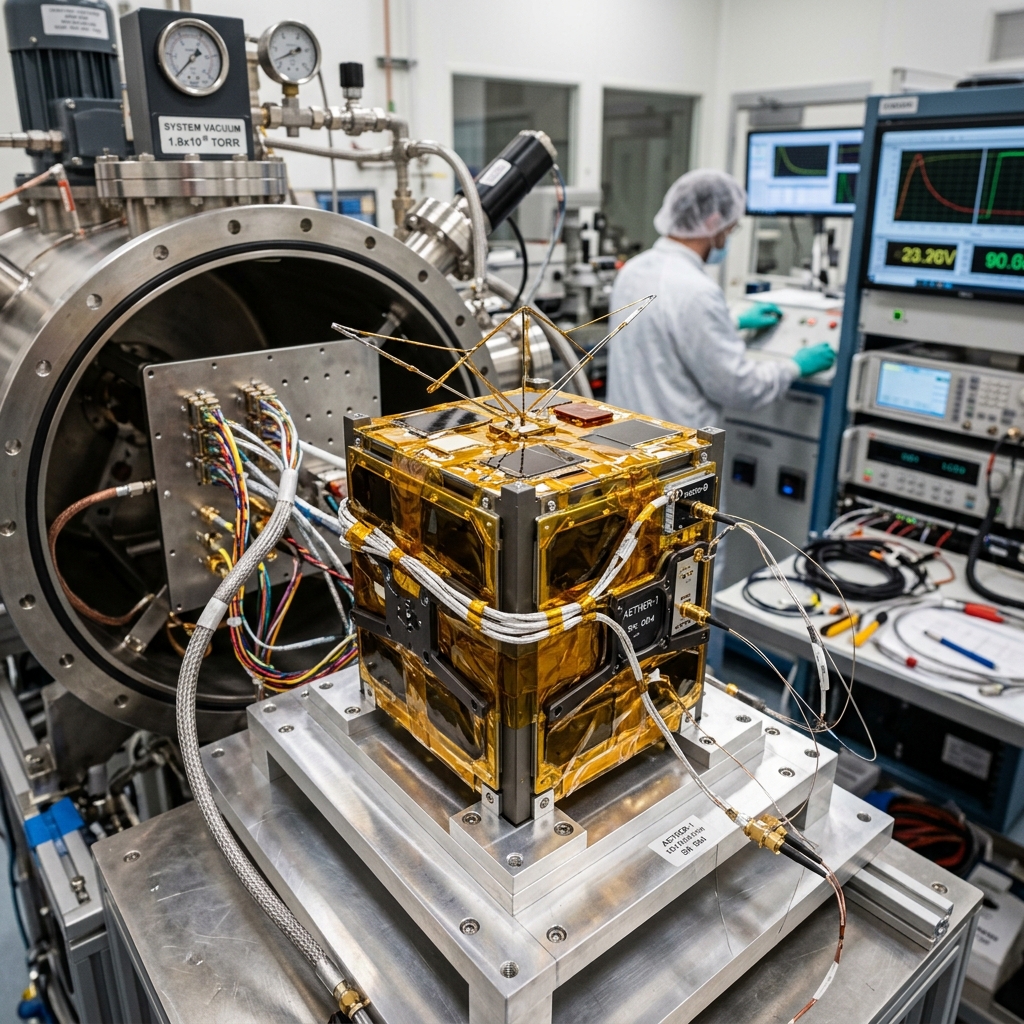
An Origami Antenna Gives CubeSats Big Data Capabilities
03 Jun 2026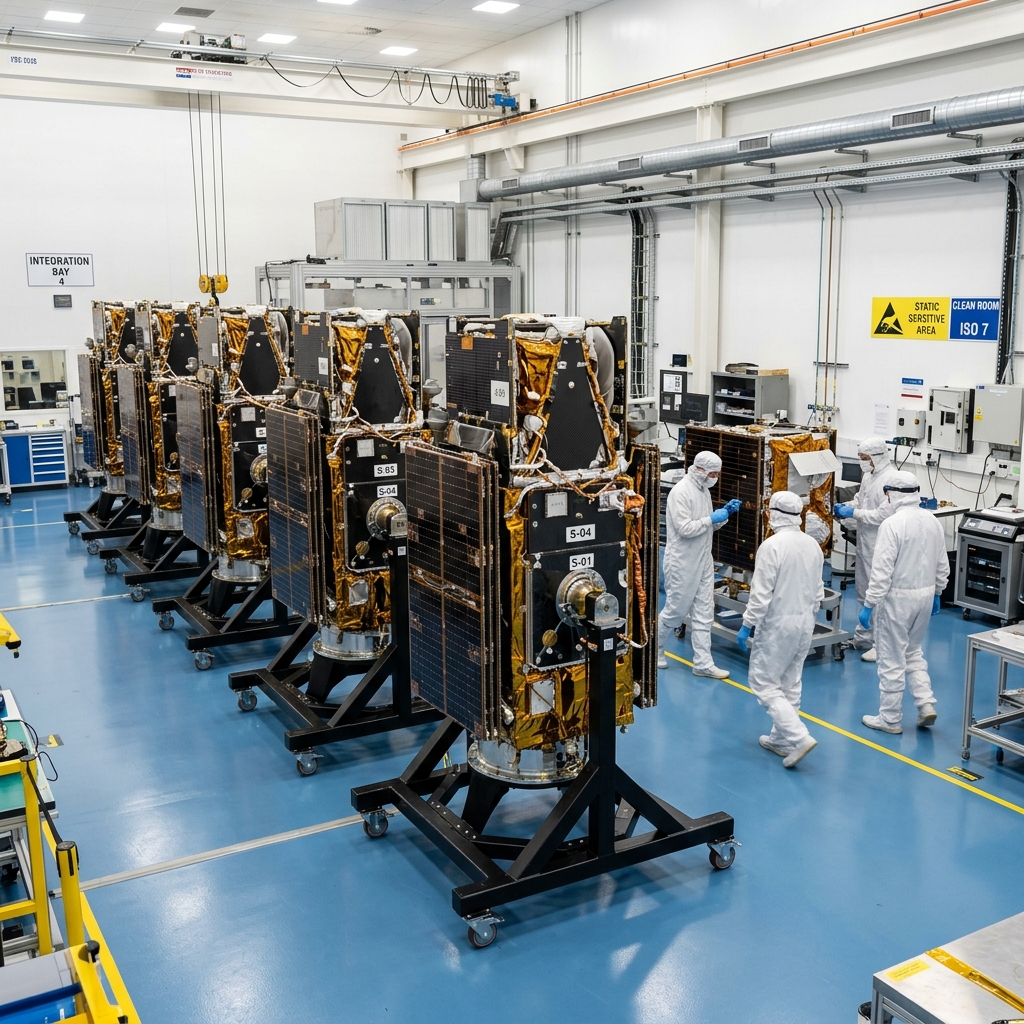
Satellite IoT Contenders Are Racing Against a 6G Deadline
03 Jun 2026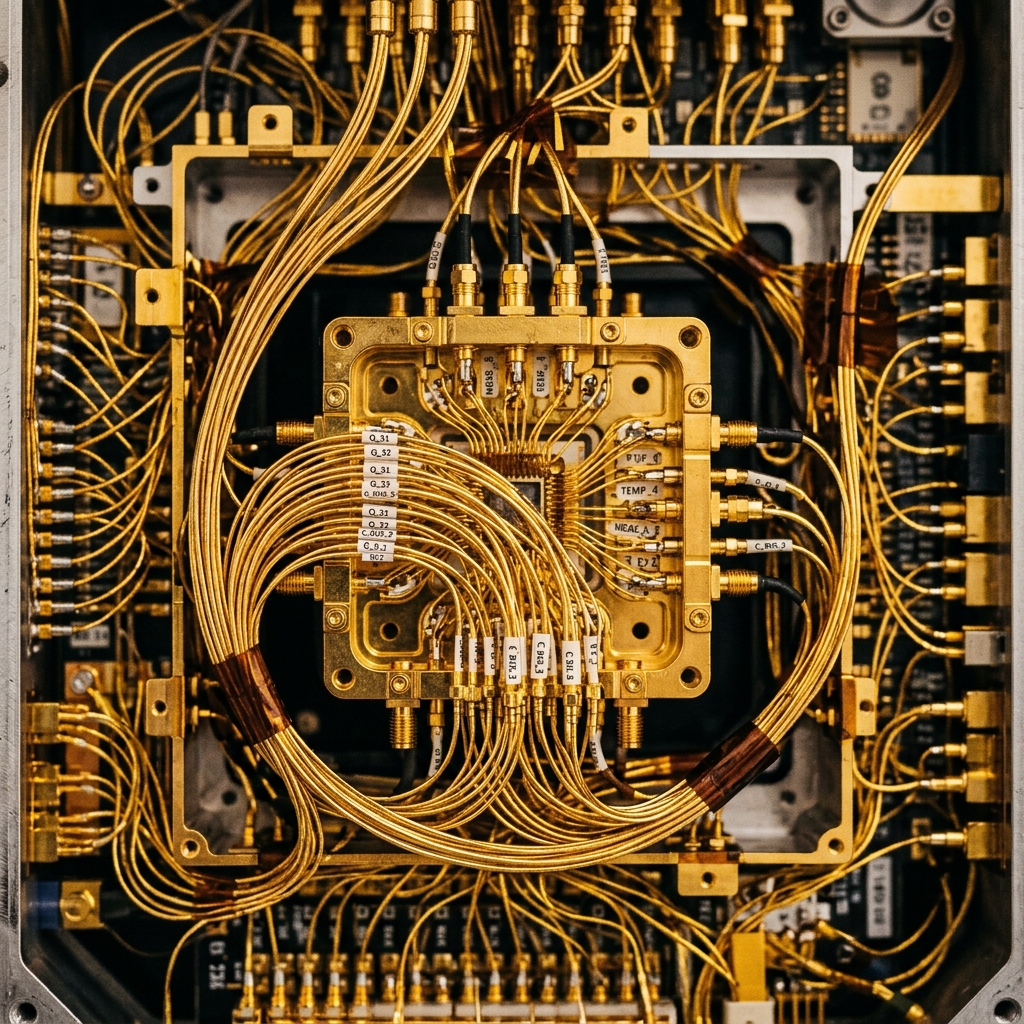
The Classical Advances Needed to Make Quantum Computers Tick
03 Jun 2026Contact Us
Have questions about submissions, editorial processes, or partnership opportunities? Our editorial team is here to help.
Cambridge, MA 02139, USA